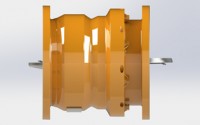
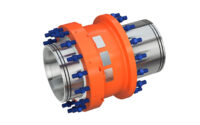
marine breakaway coupling floats
Marine Breakaway Couplings with add-on floats are special devices that give marine breakaway couplings a bit of extra lift when they’re used to transfer hoses in floating hose systems offshore. These floats are extras, designed to work with the main coupling but they are not the actual coupling itself. (Although the different web pages do seem to suggest that the term float can refer to the combination which would be misleading)
What Marine Breakaway Coupling Add-on Floats Are
Marine breakaway coupling floats are basically special boxes that you clip onto a marine breakaway coupling unit. They’re designed to keep an eye on the buoyancy of the coupling (and if you’re unlucky, a bit of the hose string too) in situations where the hose string is floating – because let’s face it some of the time it’ll be in the water, especially when you’re setting up a floating hose system or some other sort of under-buoy arrangement.(gallthomson.com)
Why Do We Use Floats?
In offshore work – whether we’re pumping something from a tanker to a buoy or ship to shore, or indeed loading up a Ship-to-Shore or FPSO/FSO – we sometimes find ourselves with hoses and couplings floating in the water. So why are floats worth using?(gallthomson.com)
- Keeping things buoyant: Floats keep the breakaway coupling in the right spot in the water by providing some neutral or positive buoyancy. (gallthomson.com)
- Cutting down on drag and strain: And when the floats are working properly, they’ll keep those dynamic forces from the waves and the movement of the vessel down to a minimum on the hose string and coupling.(gallthomson.com)
- Improving positioning: And all this helps to keep the coupling from getting hung up on the seabed or some other underwater obstacle – which should make life a whole lot safer and easier, especially when it comes to inspecting or maintaining this equipment.(gallthomson.com)
What to Expect from MBC Floats
To be honest, the specifics can vary a bit depending on who’s made the float – but most of them have the following sort of features:(gallthomson.com)
- Extra buoyancy: They’re built to give the coupling unit enough lift to counter its weight when it’s underwater. (gallthomson.com)
- Secure connection: An easy to use, but still pretty robust way to clip the float onto the coupling housing.(gallthomson.com)
- Hydro dynamics: Some floats are even designed to cut down on turbulence and drag around the hose/coupling.(gallthomson.com)
- Inspection bits: And yes – occasionally, floats will also have some features built in to help you check on the condition of the coupling.(gallthomson.com)
And a Little Bit About Marine Breakaway Couplings
A Marine Breakaway Coupling (or MBC) is basically a safety device fitted to hoses in offshore systems that kicks in and disconnects when things get a bit hairy – for instance if a vessel moves off station and you get some unexpected tension or a pressure surge. They are bloody everywhere – oil and gas, chemicals, and all that sort of thing.(Marine Breakaway Couplings |)
Floats don’t mess with the main safety features of the coupling – the valves still do their job, the break points still do their thing – but they keep the coupling in its intended place, which can be nice for reliability and regular maintenance.(gallthomson.com)
If you’re after some detailed specs or installation information for a particular floating hose setup, give me a shout with the details of what you’re looking at – and what sort of situation you’re in (eg. SPM, FPSO) and I should be able to dig up some relevant data for you.